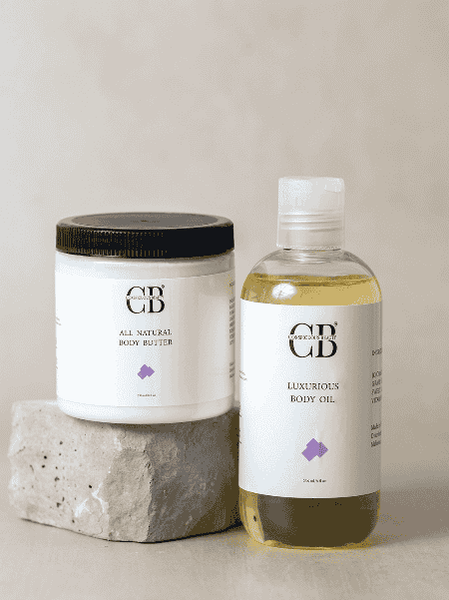
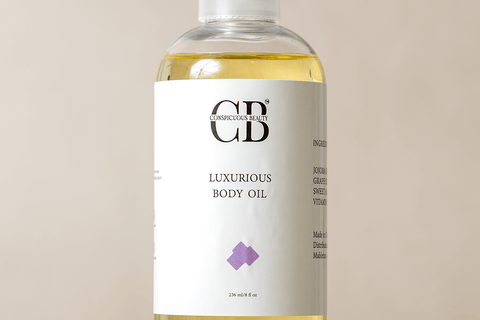

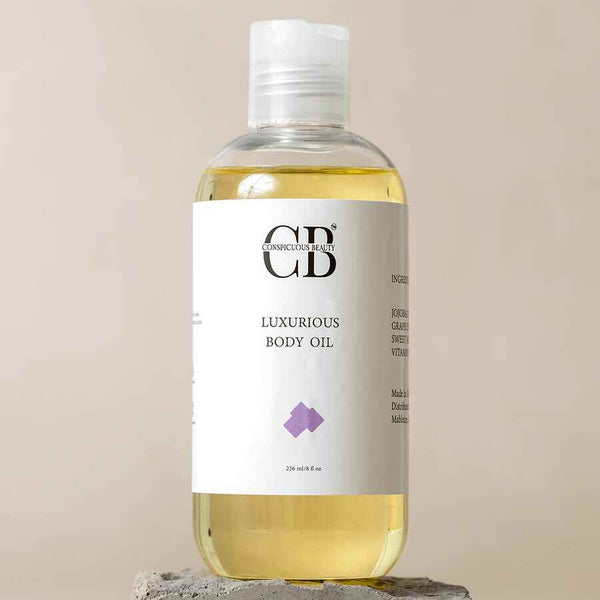

Body oils have become an essential part of modern skincare routines. They hydrate, nourish, and protect the skin while providing a sense of relaxation. However, many people are unsure about how often they should apply body oil to get the maximum benefits. The answer depends on factors like your skin type, lifestyle, the type of oil, and even seasonal changes. This article explores everything you need to know to achieve smooth, radiant, and healthy skin using body oils and when to apply body oil for maximum benefits?
Why Body Oils Are Beneficial
Body oils are more than just a skincare luxury. They provide hydration that penetrates deeper than regular moisturizers. While lotions mostly work on the surface, oils lock in moisture and prevent dryness, especially in harsh weather conditions.
These oils also strengthen the skin’s natural barrier, which helps protect against pollutants, UV damage, and environmental stressors. Over time, this can reduce irritation, redness, and sensitivity, leaving the skin resilient and well-nourished.
Certain oils, like argan, jojoba, rosehip, and almond, are rich in antioxidants and essential fatty acids. These nutrients help improve skin elasticity, reduce fine lines, and maintain a youthful glow. Using body oil consistently also promotes relaxation. Gently massaging oil into the skin stimulates blood circulation and calms the nervous system, turning application into a therapeutic ritual rather than just a skincare step.
How Often Should You Apply Body Oil?
The frequency of applying body oil depends on your skin type and lifestyle. For most people, once daily is sufficient. The best time is right after a shower when the skin is slightly damp. Damp skin allows the oil to lock in moisture, keeping your skin hydrated and soft.
If you have very dry skin, applying oil twice daily can be highly beneficial. A morning application helps protect your skin throughout the day, while an evening application nourishes your skin overnight. This routine is particularly helpful during colder months when the skin tends to lose moisture faster.
Seasonal changes can also affect how often you need to apply oil. In winter, daily or twice-daily use may be necessary to counteract dryness caused by cold air and indoor heating. During summer, lighter oils or less frequent applications are often sufficient. Heavy oils in hot weather can feel sticky and uncomfortable, so adjusting your routine according to climate is essential. Find out how body oils can benefit your skin, the correct way to use them, and which skin types they suit in our ultimate body oil guide.
Choosing the Right Body Oil
Selecting the right oil is crucial for maximum benefits. Coconut oil is excellent for dry or normal skin. It provides deep hydration and has antibacterial properties, which help protect the skin. Argan oil is rich in vitamin E and fatty acids, making it ideal for anti-aging. It absorbs quickly without leaving a greasy feeling.
Jojoba oil is very similar to the skin’s natural sebum, making it suitable for all skin types, including oily or acne-prone skin. Rosehip oil is renowned for its regenerative properties, helping reduce scars, pigmentation, and fine lines. Almond oil is gentle, soothing, and packed with vitamins, making it great for sensitive skin.
Choosing an oil that matches your skin’s needs ensures that your skin receives the right nutrients and hydration. Sometimes, blending oils can provide extra benefits. For example, combining rosehip and argan oil targets anti-aging while keeping the skin deeply hydrated.
Timing for Maximum Effect
Timing is essential when applying body oil. The most effective time for applying body oil is within five minutes after a shower, while your skin is still slightly damp. This helps trap water and enhances hydration. Applying oil at this time ensures maximum absorption and long-lasting softness.
Nighttime application is another ideal choice. Your skin can absorb the oil fully while you sleep, leaving it soft and nourished in the morning. This is particularly effective for oils rich in antioxidants and essential fatty acids, which work best during rest periods.
For areas prone to dryness, such as elbows, knees, heels, and hands, applying oil more frequently can prevent roughness. Targeted applications throughout the day can help maintain a soft and smooth texture.
Proper Application Techniques
The technique used to apply body oil significantly affects its benefits. Start by warming a small amount of oil in your palms. Warm oil spreads more easily and feels soothing. Gently massage it into the skin using circular, upward strokes. This technique improves blood circulation and allows the oil to penetrate deeper.
A little oil goes a long way. Using too much can make your skin feel greasy and may reduce absorption. For extremely dry areas, layering oil over a light moisturizer can create a hydration seal, giving maximum nourishment.
Special Considerations for Sensitive Skin
Sensitive skin requires careful attention. Start with applying oil every other day to observe how your skin reacts. Choose fragrance-free and hypoallergenic oils to minimize the risk of irritation. Patch testing on a small area before full-body application is always recommended.
Once your skin adapts, you can gradually increase the frequency of application. Over time, you will notice improved hydration, reduced redness, and healthier skin texture.
Maximizing the Benefits
To maximize the benefits of body oil, exfoliate your skin before application. Exfoliation removes dead skin cells and allows the oil to penetrate more effectively. Consistency is key; regular use ensures long-term improvement in skin texture, hydration, and elasticity.
Listen to your skin. If it feels greasy, reduce the amount or frequency of oil. If it feels dry, increase usage. Pairing your body oil routine with a healthy diet, adequate water intake, and proper sleep enhances results and overall skin health.
How Long Before You See Results?
Soft, hydrated skin is usually noticeable within a few days of regular body oil use. However, deeper benefits such as improved elasticity, reduction in fine lines, and enhanced skin tone may take two to four weeks. Consistent application over months provides long-term improvement, leaving your skin resilient, smooth, and radiant.
Common Mistakes to Avoid
One common mistake is using too much oil. Over-application can leave the skin greasy and may prevent absorption. Another error is applying oil to completely dry skin. Oils are most effective when applied to slightly damp skin to trap moisture.
Ignoring seasonal changes is another mistake. Adjusting the frequency and type of oil based on weather conditions is crucial. Also, don’t forget targeted areas like elbows, knees, and heels, which often need extra attention to prevent roughness.
Conclusion
Maximizing the benefits of body oil depends on frequency, timing, and proper application. Daily use is ideal for most people, especially after showers and before bedtime. Adjust the routine based on skin type, season, and areas of dryness.
Gentle massage, the right choice of oil, and consistency transform body oil from a simple skincare step into a therapeutic, self-care ritual. Over time, this practice rewards you with smooth, hydrated, and radiant skin. Listening to your skin, adapting your routine, and pairing it with healthy lifestyle habits will ensure your skin stays nourished and healthy year-round.
FAQs
Can I apply body oil every day?
Yes, daily use is safe for most skin types and helps lock in moisture.
Can body oil replace moisturizer?
Yes, for most skin types. Layering over a light moisturizer works best for extremely dry skin.
Is body oil safe for sensitive skin?
Yes, choose fragrance-free and hypoallergenic oils and patch test first.
Should I use body oil in summer?
Yes, but lighter oils or less frequent application is preferable for hot and humid climates.
Can body oil improve skin elasticity?
Yes. Oils rich in antioxidants and fatty acids, like argan or rosehip, can improve elasticity and reduce fine lines over time.