
You've probably heard of each of them individually. Collagen for firmness. Hyaluronic acid for hydration. Vitamin C for brightness and glow. They're among the most researched and talked-about ingredients in the modern beauty and wellness space — and for good reason. Each one delivers real, measurable benefits on its own.
But here's what most people don't realize: these three ingredients are not just complementary. They're biologically connected. The way they interact inside your body creates a synergy that is meaningfully greater than any single ingredient working alone. Understanding this connection is the difference between a skincare routine that works and one that truly transforms.
Understanding Hydrolyzed Collagen
Collagen is the most abundant protein in the human body, making up approximately 30% of total protein content. It forms the structural scaffolding of your skin, providing tensile strength, elasticity, and the firmness we associate with youthful skin. Starting in our mid-twenties, the body's natural collagen production begins to decline — roughly 1% per year, accelerating with sun exposure, stress, and poor nutrition.
Hydrolyzed collagen — also called collagen peptides or collagen hydrolysate — is collagen that has been broken down through a process called hydrolysis into much smaller fragments that can be absorbed efficiently through the gut wall into the bloodstream.
This distinction matters enormously. Regular collagen molecules are too large to be absorbed intact. Hydrolyzed collagen bypasses this problem entirely. The peptides are absorbed and transported to the dermis, where they do two things: they provide direct building material for new collagen fibers, and they signal fibroblast cells to ramp up their own collagen production.
Clinical studies have found that consistent supplementation with hydrolyzed collagen peptides — typically 2.5–10g daily — is associated with meaningful improvements in skin elasticity, hydration levels, and dermal density after 8–12 weeks.
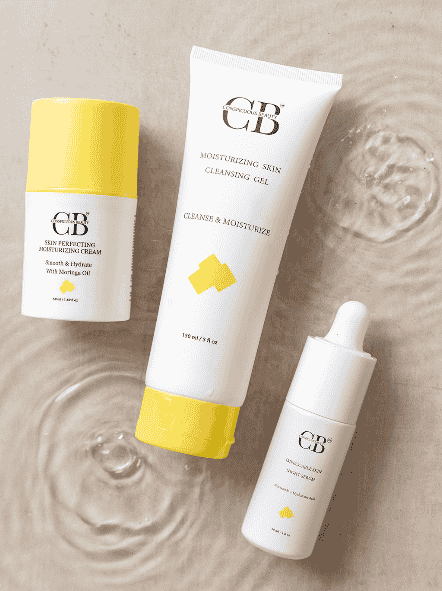
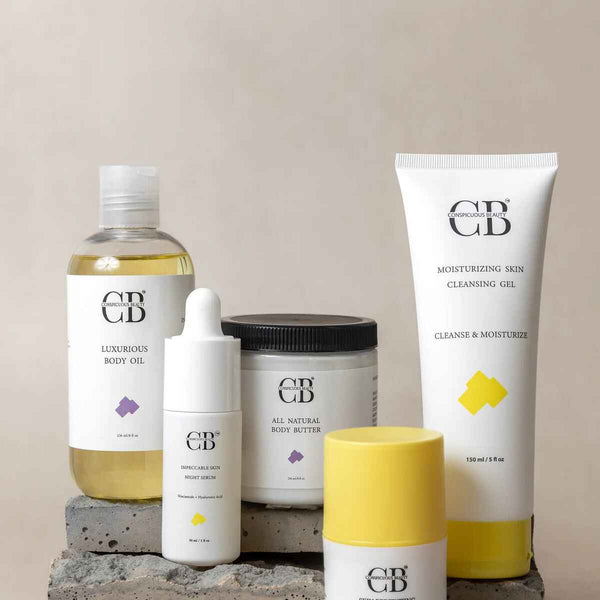
When paired with a targeted topical routine — like the Impeccable Skin Night Serum, which delivers hyaluronic acid and barrier-supporting actives directly to the skin's surface overnight — hydrolyzed collagen supplementation becomes part of a complete system that works at every layer simultaneously.
→ For a deeper look at how hydrolyzed collagen works and why the hydrolyzed form matters, read our full breakdown: What Is Hydrolyzed Collagen — And Why the 'Hydrolyzed' Part Actually Matters
The Vital Role of Vitamin C
Here's the part that connects everything: your body cannot synthesize collagen without Vitamin C. It's not optional. It's biochemically mandatory.
Vitamin C acts as an essential cofactor in collagen synthesis — specifically, it's required for the hydroxylation of proline and lysine, two amino acids that are critical for creating the triple-helix structure of collagen. Without this step, the collagen your body produces is structurally weak and breaks down faster.
This means that taking hydrolyzed collagen without adequate Vitamin C is a bit like trying to build a house without cement. You have the materials, but they won't hold together properly.
Beyond collagen synthesis, Vitamin C is one of the most potent antioxidants in skincare. It neutralizes free radicals — the unstable molecules generated by UV exposure, pollution, and stress that degrade existing collagen. So it's simultaneously protecting the collagen you have while supporting the production of new collagen. This dual action makes it genuinely irreplaceable in an inside out beauty routine.
"Vitamin C doesn't just brighten your skin. It's the biochemical bridge between collagen supplementation and real structural results."
Hyaluronic Acid: The Hydration Network
Hyaluronic acid is found naturally throughout the body — in the joints, eyes, and especially in the skin's dermis, where it plays a central role in maintaining moisture and structural integrity. Approximately 50% of the body's total hyaluronic acid is found in the skin.
Its defining property is hygroscopicity — the ability to attract and bind water molecules. A single hyaluronic acid molecule can hold up to 1,000 times its weight in water, making it the most efficient moisturizing agent in the known biological world. In the dermis, hyaluronic acid forms a gel-like matrix that surrounds collagen and elastin fibers, keeping them hydrated, flexible, and functional.
Like collagen, hyaluronic acid declines with age. The body's ability to produce and retain HA decreases progressively from the mid-20s onward, accelerating with UV exposure, pollution, and dehydration. As HA levels fall, the dermis loses its plumpness and moisture-retention capacity. Skin begins to look less volumized, fine lines deepen, and the surface takes on a drier, less supple quality — not because collagen is failing alone, but because the environment surrounding it has become less hydrated.
This is why hyaluronic acid and collagen are inseparable partners. A well-hydrated collagen network is elastic and resilient. A dehydrated one becomes brittle, loses volume, and shows the visible signs of aging — hollowness, fine lines, and sagging. When you support hyaluronic acid levels both ingestibly and topically, you're not just adding moisture to the skin's surface. You're maintaining the environment that your collagen lives and functions in.
Oral hyaluronic acid supplementation has been shown in peer-reviewed studies to replenish systemic HA stores, improving skin moisture and elasticity within 4–8 weeks of consistent daily use. Applied topically, it draws moisture to the skin's surface and creates a hydrating film that supports barrier repair overnight. Using it both ways delivers complete hydration coverage, from the dermis all the way up to the epidermis.
Why the Three Work Better Together
Individually, each of these ingredients addresses a different aspect of skin health. But their benefits are interconnected in a way that makes combined use significantly more effective than using any one in isolation.
Hydrolyzed Collagen provides the peptides and signals that stimulate new collagen production in the dermis. But those peptides need the right biochemical environment to do their job properly — and that's where the other two come in.
Vitamin C is the non-negotiable cofactor that allows collagen synthesis to actually complete properly and produce strong, stable fibers. Without it, the collagen your fibroblasts produce is structurally compromised — prone to early degradation and unable to provide the firmness and resilience you're supplementing for. Vitamin C also protects the collagen you already have by neutralizing the free radicals that degrade it daily. So it's working on two fronts simultaneously — building new collagen and defending existing collagen from breakdown.
Hyaluronic Acid creates and maintains the hydrated matrix that collagen fibers need to function. Think of collagen as the structural beams of a building and hyaluronic acid as the moisture that keeps those beams from drying out and cracking. Without adequate HA, even healthy, well-formed collagen loses its flexibility and begins to show the signs of structural aging. HA also simultaneously supports barrier integrity at the surface level, reducing transepidermal water loss and keeping the skin's outermost layer plump and protected.
The biological chain works like this: Vitamin C enables the synthesis of strong collagen. Hydrolyzed collagen peptides provide the raw material and the fibroblast signal to build it. Hyaluronic acid maintains the environment in which that new collagen can thrive. Remove any one link in this chain and the system becomes less effective. Keep all three working together and you're addressing skin health at every level — structural, hydration, and protective — simultaneously.
This is not just theory. Clinical research on multi-ingredient collagen formulas consistently shows stronger results than studies on isolated collagen supplementation alone. The synergy is real, measurable, and the reason the most effective ingestible beauty formulas are built around this trio rather than a single ingredient.
How to Get the Most from This Trio
Incorporating all three doesn't require a complicated routine. Here's how they naturally fit into an inside out approach — and how to use each layer strategically for maximum benefit.
Ingestibly
A drinkable collagen formula that combines all three ingredients delivers them in their most bioavailable form. Hydrolyzed collagen peptides and Vitamin C are absorbed through the digestive tract and transported directly to the dermis. Oral hyaluronic acid supplements have been shown to replenish systemic hyaluronic acid levels and improve skin moisture over time.
Timing matters less than consistency, but many people find that taking their collagen elixir in the evening aligns with the body's overnight repair cycle — growth hormone peaks during deep sleep, and this is when collagen synthesis is most active. Having collagen peptides available in the bloodstream during this window may support more efficient use of the raw materials you've provided.
The key is consistency above all else. These are not instant-result ingredients. They work by gradually improving the skin's underlying structure over 6–12 weeks of regular use. Missing days regularly significantly reduces the cumulative benefit. Building the ritual around a product you genuinely enjoy consuming is the single most practical thing you can do to ensure you stay consistent.
Topically
While hydrolyzed collagen molecules are too large for true topical absorption, topical Vitamin C is a gold-standard brightening and protective active. Applied in a serum or moisturizer in the morning, it shields existing collagen from the free radical damage generated by UV exposure and pollution throughout the day — protecting the very collagen structure your ingestible supplement is helping to rebuild.
Topical hyaluronic acid — as found in the Impeccable Skin Night Serum — delivers immediate surface hydration and creates a moisture film that supports barrier repair overnight. Apply it to slightly damp skin after cleansing — the presence of moisture on the skin's surface gives the HA water to bind to, rather than drawing it from deeper layers. Follow immediately with a moisturizer to seal everything in and prevent transepidermal water loss while you sleep.
By using Vitamin C topically in the morning and hyaluronic acid in an evening serum, you're providing your skin with active support during both phases of its daily cycle — protection during the day, repair and hydration at night. Combined with the ingestible trio working from within, this creates complete skin coverage at every layer and every hour.
What to Look for in a Collagen Supplement
Not all collagen supplements are created equal. When evaluating a drinkable collagen product, look for:
Hydrolyzed collagen peptides — not gelatin or whole collagen, which are not efficiently absorbed.
Vitamin C included in the formula — or a clear instruction to consume it alongside the supplement.
Hyaluronic acid — ideally at a clinically studied dose of 80–200mg.
Clean ingredients — minimal fillers, no artificial sweeteners, no unnecessary additives.
Transparency — a brand that discloses exact ingredient amounts, not hidden behind a proprietary blend.
The Impeccable Skin Collagen Elixir was formulated around exactly these criteria — a trio of hydrolyzed collagen, hyaluronic acid, and Vitamin C in a clean, effective formula designed to work with your skin's biology, not against it. Join the waitlist to be notified at launch.
The Takeaway
Hydrolyzed collagen, hyaluronic acid, and Vitamin C are not three separate ingredients that happen to be popular. They are three nodes in an interconnected biological network, each one supporting and enhancing the others. Collagen provides structure. Vitamin C makes that structure possible and protects it from degradation. Hyaluronic acid maintains the environment in which both can thrive.
Most people approach skincare by choosing a single hero ingredient and building around it. The inside out approach asks a different question: what does your skin actually need at every layer, and how do you provide all of it — consistently, from both directions at once?
When you use all three together — intentionally, consistently, and from both inside and outside — you're not just adding another product to your routine. You're giving your skin a complete, science-backed support system that addresses the root causes of visible aging rather than managing symptoms at the surface. The results take weeks, not days. But they're the kind of results that compound over months and years — the kind that become a permanent part of how your skin looks and feels, rather than a temporary improvement that fades when you stop.
That's the promise of the inside out approach. And this trio is where it begins.
To understand how collagen, hyaluronic acid, and Vitamin C fit into a complete daily routine — morning, evening, and everything in between — visit our Complete Guide to Ingestible Beauty.
Frequently Asked Questions
Do I need all three ingredients together or can I take them separately?
You can take them separately and still benefit from each individually. However, their effects are meaningfully amplified when used together because of the biological interdependencies between them — Vitamin C is required to synthesize stable collagen, and hyaluronic acid maintains the hydrated environment that collagen needs to function. A formula that combines all three removes the guesswork and ensures you're getting the synergistic benefit.
How much hyaluronic acid should a collagen supplement contain?
Clinical studies on oral hyaluronic acid supplementation have used doses ranging from 80mg to 200mg per day. Look for products that disclose the exact amount rather than hiding it within a proprietary blend — transparency around dosage is a reliable indicator of a quality supplement.
Can I get these benefits from food alone?
You can support collagen production through diet — foods rich in Vitamin C, zinc, and amino acids all contribute. However, getting therapeutic doses of hydrolyzed collagen peptides and hyaluronic acid through food alone is difficult. Collagen-rich foods like bone broth contain whole collagen rather than the hydrolyzed form, which limits bioavailability. Supplementation is the most reliable way to ensure consistent, clinically relevant doses of all three ingredients.
Is topical hyaluronic acid as effective as oral hyaluronic acid?
They work differently and at different layers of the skin. Topical hyaluronic acid — like that in the Impeccable Skin Night Serum — delivers immediate surface hydration and supports barrier repair at the epidermis. Oral hyaluronic acid replenishes the body's systemic HA stores, supporting the deeper dermal layer where structural hydration lives. Using both gives you complete coverage — surface and structural — which neither approach achieves alone.
When is the best time to take a collagen supplement?
Consistency matters more than timing, but many people find taking their collagen elixir in the morning with breakfast or in the evening as part of a nighttime ritual works best for building the habit. If taken in the evening, the collagen peptides are available in the bloodstream during the overnight window when growth hormone peaks and collagen synthesis is most active — which may offer a slight advantage for skin repair.